Buying Guide: How to Choose the Best Inverter for Load-Shedding Backups
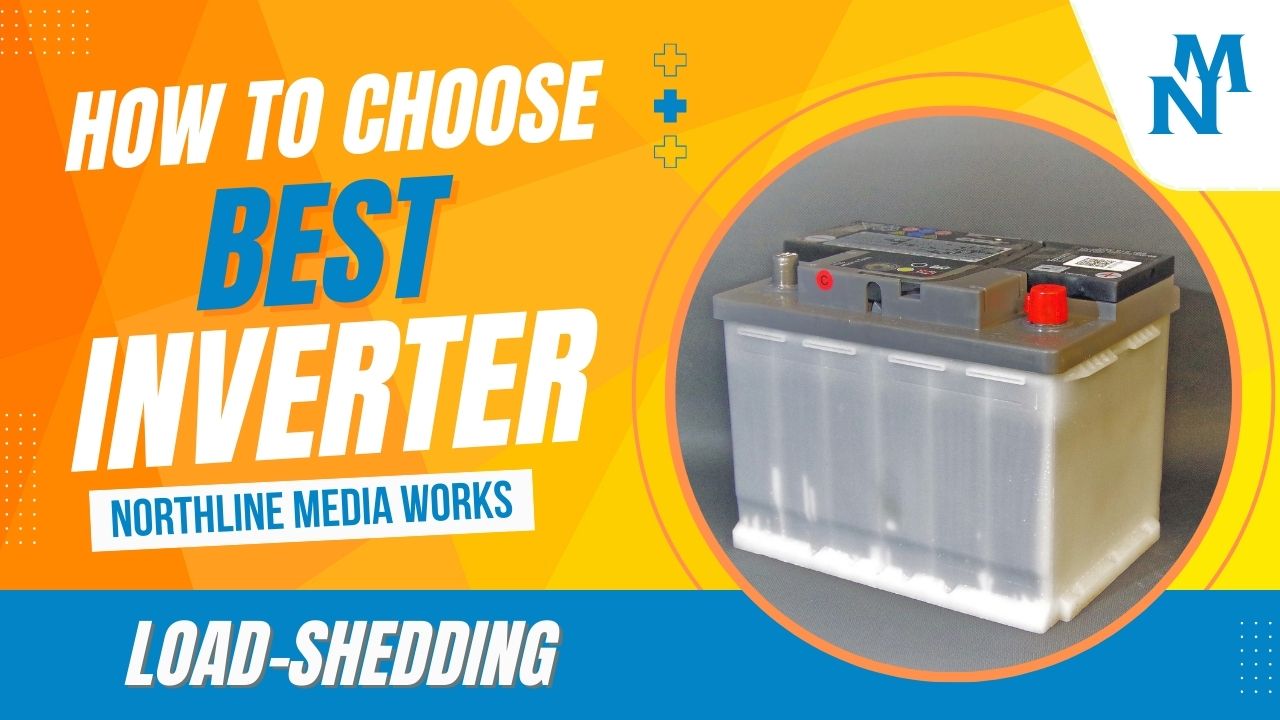
Buying Guide: How to Choose the Best Inverter for Load-Shedding Backups (Nepal)
Load-shedding remains a reality for many households and businesses across Nepal, especially in cities like Kathmandu, Lalitpur, Bhaktapur, Pokhara, and Hetauda. A reliable inverter system with a battery can be a lifesaver when the grid goes down—giving your home lights, fans, routers, and essential appliances uninterrupted power. But with so many models, capacities, and battery types available, choosing the right inverter isn’t simple.
This Nepal-focused buying guide explains exactly how to choose the best inverter for load-shedding backups—covering capacity sizing, battery types, estimated costs in Nepal, warranty, maintenance, and real-world performance.
Why Choosing the Right Inverter Matters in Nepal
Not all inverters are created equal. A poorly chosen inverter can lead to:
- Insufficient backup time
- Overheating and frequent service calls
- Higher electricity costs or battery drain
- Shortened battery life
- Noise and safety issues
A well-matched inverter and battery ensure:
- Longer, cleaner power backups
- Better lifespan and fewer replacements
- Lower maintenance headaches
Key Components of an Inverter System
An inverter system typically includes:
- Inverter Unit: Converts DC battery power to AC for your appliances
- Battery: Stores electricity for load-shedding periods
- Charger / Controller: Manages charging and protects battery health
- Wiring & Accessories: Fuses, cables, and mounting hardware
Step 1 — Calculate Your Load Requirements
Understand Your Power Needs First
Start by calculating total watts you want to back up during load-shedding.
Common appliance wattages (approx):
- LED light: 10–20 W
- Ceiling fan: 60–80 W
- Laptop: 45–90 W
- Router: 10 W
- TV (LED): 60–120 W
- Refrigerator: 120–300 W (starting surge higher)
Example Load Calculation (Household):
Appliance Qty Watts Total
LED lights | 6 | 15 W | 90 W
Ceiling fans | 2 | 70 W | 140 W
TV | 1 | 100 W | 100 W
Router | 1 | 10 W | 10 W
Laptop | 1 | 80 W | 80 W
Total Est. Load | | | 420 W
Rule of Thumb:
Add ~20–30% buffer above your total load estimate.
Step 2 — Choose the Right Inverter Capacity
Inverters are rated by VA / W (Volt-Amp / Watts).
Home Size Suggested Inverter VA/W
Small room / essentials only | 600–800 VA
Small apartment | 1000–1500 VA
Medium home | 2000–3000 VA
Large home / heavier load | 4000 VA +
Example:
For a 420 W load (above), a 1000–1200 VA inverter is usually enough — accounting for inefficiencies and future additions.
Step 3 — Battery Type Matters
The battery is the most critical—and expensive—part of any inverter system.
Lead-Acid Batteries
- Flooded / Tubular: Longer life and widely used in Nepal
- Maintenance: Requires periodic water topping
- Best for: Load shedding backups with moderate usage
Sealed / Maintenance-Free (SMF) Batteries
- No water topping
- Cleaner installation
- Slightly higher cost
- Shorter lifespan than tubular in heavy-use scenarios
Lithium Batteries
- Longest lifespan (2000+ cycles)
- Lighter and more efficient
- Higher upfront cost
- Lower maintenance and deeper discharge
Nepal Insight:
Lead-acid tubular batteries remain most popular due to cost-to-life balance, but lithium options are gaining traction for consistent high usage.
Step 4 — Estimate Backup Time (Runtime)
Backup time depends on:
- Battery capacity (Ah)
- Total load
- Inverter efficiency
Runtime Formula (Simplified):
Runtime (hrs) ≈ Battery Ah × Battery Voltage × 0.7 / Load (W)
Example:
- 150 Ah × 12 V × 0.7 / 420 W ≈ ~2.6 hrs
This is a rough estimate—real-world figures vary by load types and battery condition.
Step 5 — Warranty & After-Sales Support
In Nepal, inverter service networks and warranty coverage can vary. Look for:
- Inverter unit warranty: 1–3 years
- Battery warranty: 12–36 months (tube batteries often longer)
- Local service centres in Kathmandu, Pokhara, and Biratnagar
Longer warranty often indicates better component quality and spare availability.
Step 6 — Price Guide in Nepal (2026 Rates)
Approximate price ranges you can expect in Nepal (Kathmandu market and major retailers):
Component Price (NPR)
800 VA Inverter | Rs. 12,000–18,000
1000–1200 VA Inverter | Rs. 18,000–28,000
1500–2000 VA Inverter | Rs. 28,000–40,000
150 Ah Tubular Battery | Rs. 22,000–34,000
200 Ah Tubular Battery | Rs. 28,000–44,000
Lithium Battery (100 Ah) | Rs. 60,000–90,000
Prices are approximate and may vary by store, brand, warranty, and seasonal demand.
Step 7 — Additional Features to Look For
Pure Sine Wave Output
Better for sensitive electronics like laptops and TVs.
LCD/Smart Display
Shows battery %, load usage, runtime estimates.
Overload & Short Circuit Protection
Improves safety and component longevity.
Automatic Voltage Regulation (AVR)
Protects appliances from voltage fluctuations—a common issue in Nepal.
Tips for Installing Your Inverter System
- Place the battery in a ventilated, cool area (batteries produce gases).
- Avoid direct sunlight & moisture exposure.
- Use proper cable sizing to avoid energy losses.
- Schedule periodic battery maintenance if using tubular setups.
FAQ – Inverter Buying in Nepal
Q: Which inverter capacity do I need for a 1–2 bedroom home?
Many households use 1000–1500 VA inverters with ~150–200 Ah batteries for basic loads.
Q: Should I buy inverter and battery together?
Yes — buying both at once ensures compatibility and often comes with bundle deals.
Q: Are lithium batteries worth it in Nepal?
If you want long life, deeper discharge, and lower maintenance, yes—especially for frequent load shedding.
Q: How long do inverter batteries last?
Tubular lead-acid batteries can last 3–5 years with good maintenance; lithium batteries can go 8–10 years.